Save Energy Without Sacrificing Performance
An efficient pool is not about running equipment harder. It’s about running it smarter.
This article shares best‑practice guidelines for efficient pool operation that deliver maximum results.
1. Pump Speed and Water Velocity
For optimal efficiency, the filter pump should be set to generate water velocities between 6 and 8 feet per second in the plumbing. This range provides effective circulation and filtration without unnecessary energy consumption or excessive strain on the system.
Variable‑speed pumps are ideal for achieving this balance, as they allow precise control of flow rates based on your pool’s needs.
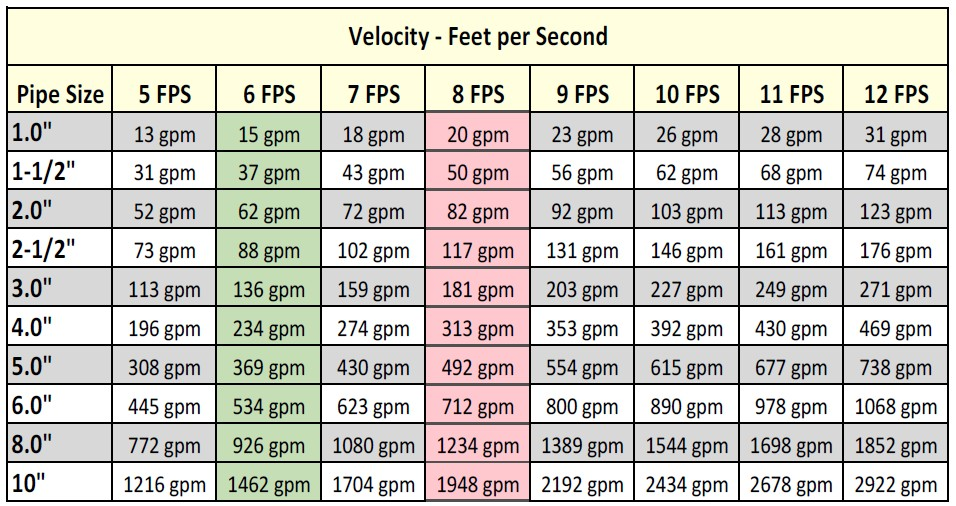
2. Daily Run Time and Water Turnover
A water turnover refers to the amount of time it takes for the pool’s circulation system to move a volume of water equal to the total capacity of the pool through the filtration system.
For optimal operation:
- A residential pool should achieve two turnovers per day.
- This should be accomplished by running the pump at the lowest speed necessary to maintain effective filtration, which significantly reduces energy consumption.
Filtration effectiveness improves as the number of turnovers increases; however, energy use also rises. The goal is to find the balance point where water clarity and sanitation are maintained without unnecessary run time.
Filtration Effectiveness by Number of Daily Turnovers
| Daily Turnovers | Filtration Effectiveness | Typical Use Case |
|---|---|---|
| 1 Turnover | ~63% efficiency | Minimal circulation, generally insufficient for residential pools |
| 2 Turnovers | ~86% efficiency | Recommended optimal for most residential pools |
| 3 Turnovers | ~95% efficiency | Higher debris load or warmer water |
| 4 Turnovers | ~98% efficiency | Heavy use, high bather load, or problem conditions |
Pool Pump Flow Calculator
Velocity target: 6–8 ft/sec
3. Return Jet Direction
Return jet positioning plays a major role in circulation efficiency.
- Aim return jets slightly downward toward the bottom of the pool, not straight across the surface.
This circulation pattern helps:
- Lift debris from the pool floor
- Keep particles suspended
- Move debris toward the surface so it can be captured by the skimmers
Proper jet direction reduces dead spots and improves overall water movement.
4. Pool Cleaner Run Time
Automatic pool cleaners are essential for keeping debris under control.
Recommended guideline:
- Operate your cleaner system for a minimum of 2 hours per day
This applies to:
- Pressure‑side cleaners (e.g., Polaris)
- Robotic cleaners
- In‑floor cleaning systems
Two hours is typically sufficient to remove debris.
5. Filter Maintenance (Critical for Efficiency)
A dirty filter forces the pump to work harder, increasing energy use and reducing circulation.
- Clean the filter at least 3 times per year (minimum)
- Additional cleanings may be required during heavy debris seasons, algea blooms or after storms
Regular filter maintenance:
- Improves flow rate
- Reduces pump run time
- Extends the life of both the pump and filter
6. Maintain Proper Water Chemistry
Balanced water protects your equipment and improves filtration efficiency.
Key benefits of proper chemistry:
- Prevents scale buildup inside heaters and plumbing
- Reduces resistance in the circulation system
- Allows sanitizers to work more effectively
Poor water balance can quietly reduce efficiency and shorten equipment lifespan.
7. Keep Skimmer and Pump Baskets Clean
- Empty skimmer baskets regularly
- Check the pump basket weekly
Clogged baskets restrict flow, forcing the pump to run harder and longer than necessary.
8. Inspect for Leaks and Air Leaks
Even small leaks reduce system efficiency.
- Repair plumbing leaks promptly
- Check for air leaks at pump lids, valves, and unions
Air in the system lowers circulation performance and increases energy use.
If you have any questions or need expert advice